Skip to content
Call (888) 206-2621

Our HVAC services

Home HVAC Systems handles the full range of equipment that keeps indoor temperatures steady through summer heat and winter cold. Our technicians start by listening to what the system is doing, then examine the blower motor, capacitor, and safety switches that control airflow and prevent overheating in the furnace or freezing in the coil.

Each service begins with a walk-through of the current settings and recent changes in performance. We check duct joints for gaps that let conditioned air escape, test the limit switch that shuts the furnace down if temperatures rise too high, and measure static pressure to see whether the blower is working against a clogged filter or restricted return. Every service below is available from Home HVAC Systems across the USA.

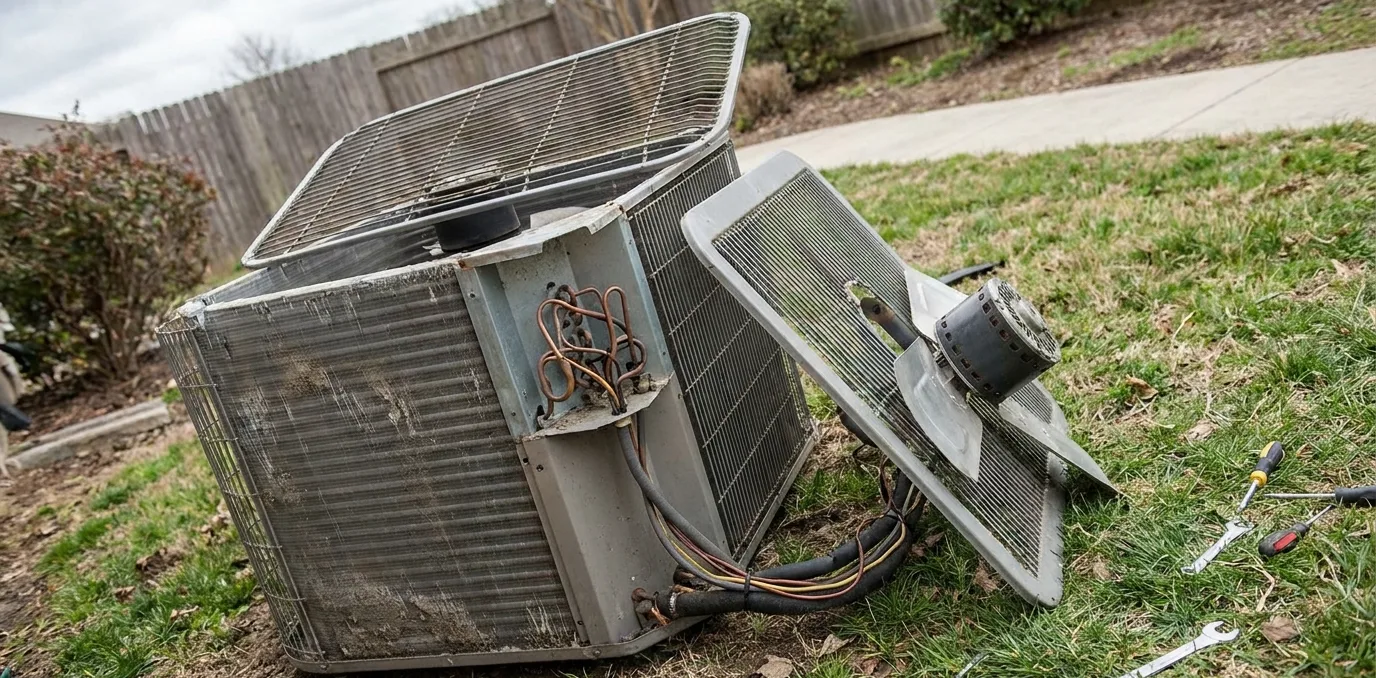
A condenser fan motor lifted out

AC Repair

When an air conditioner stops cooling, our technicians measure the temperature split across the evaporator coil and inspect the contactor for pitting. They also check the run capacitor that helps the compressor start and look for oil stains around the service valves that signal a slow leak. A fresh filter and a quick look at the wall control settings are worthwhile steps before we arrive.
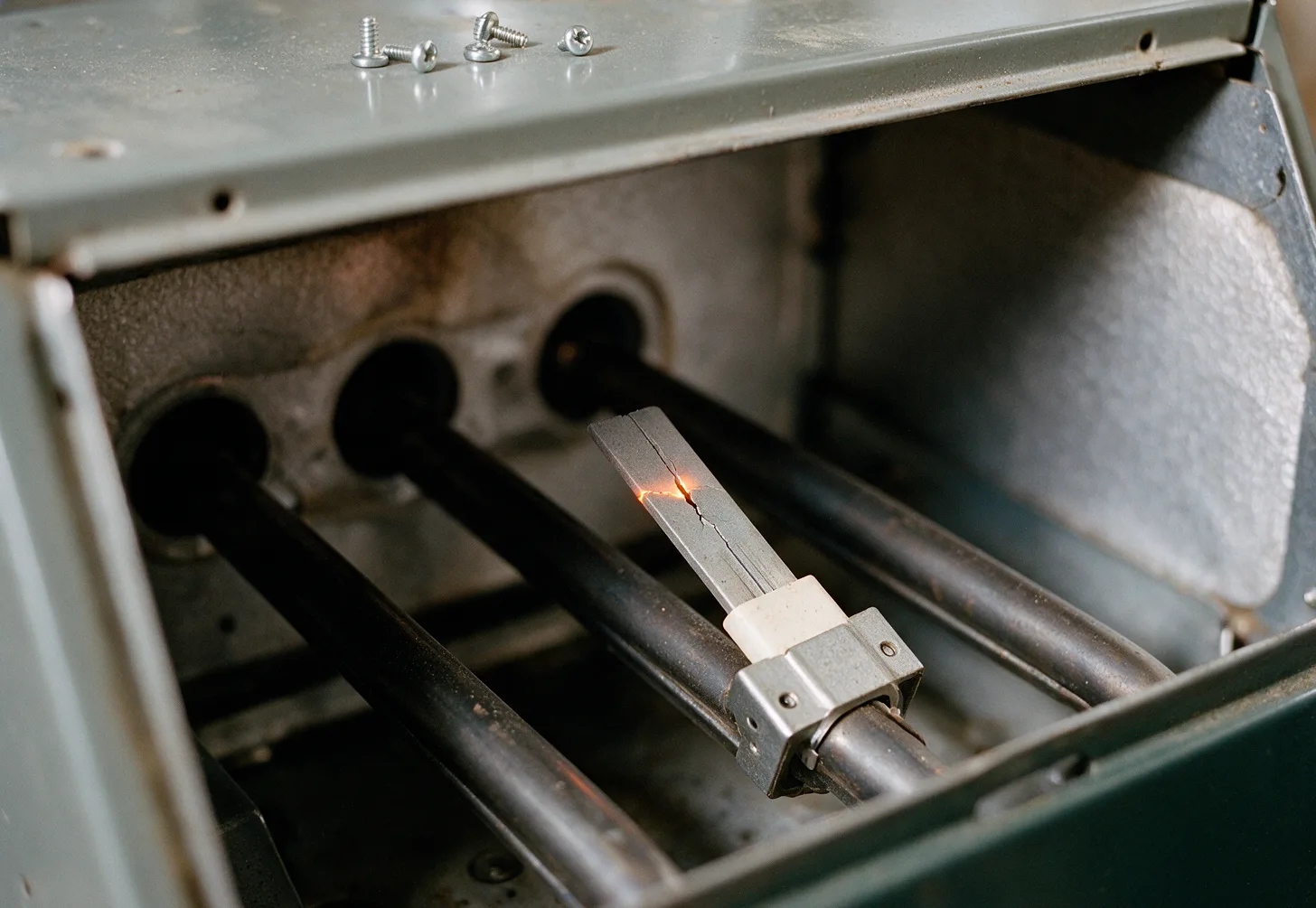
A hot surface igniter close view

Furnace Repair

A furnace that cycles on and off often has a dirty flame sensor or a weak draft inducer motor. Our technicians clean the sensor rod, test the pressure switch that proves proper venting, and verify the igniter is glowing at the right amperage. Before calling, homeowners can confirm the condensate drain is clear and the furnace switch is in the on position.

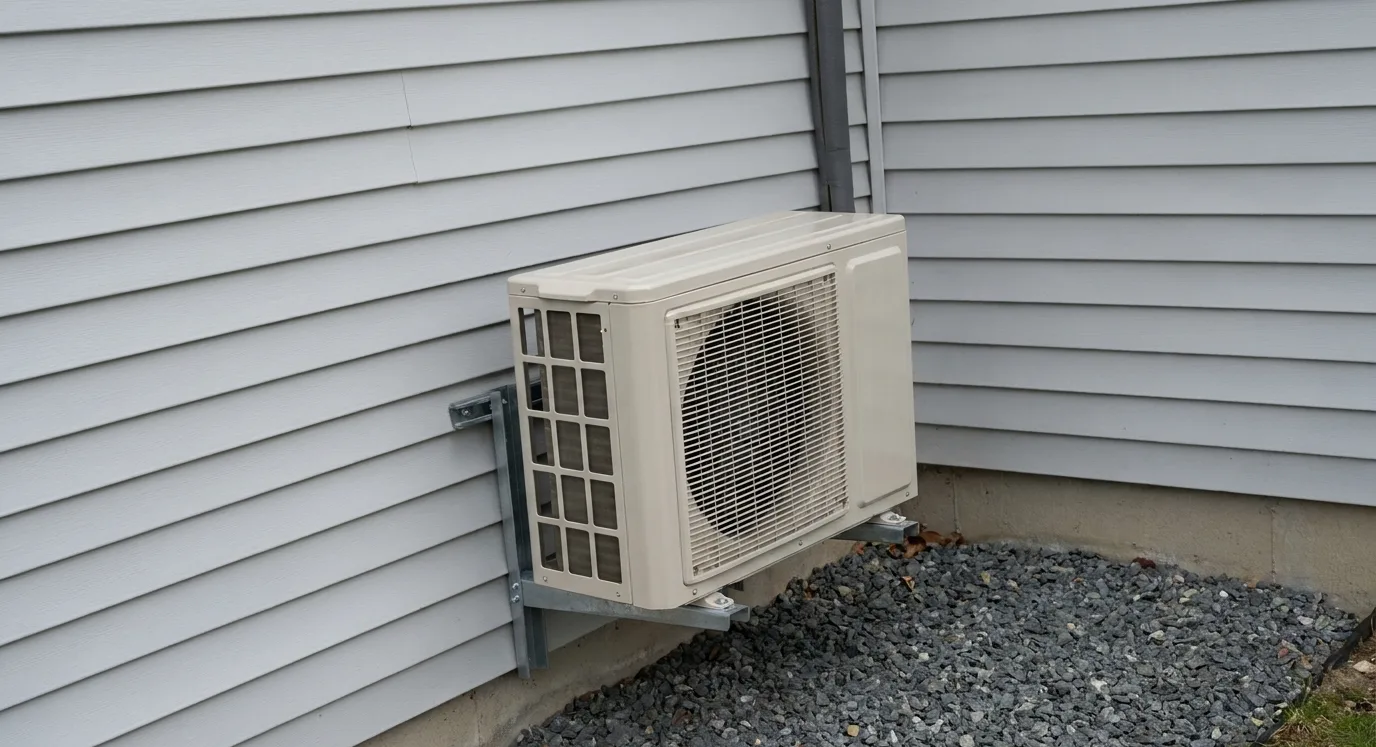
A new heat pump on wall brackets

Heat Pump Installation

A new heat pump must be sized to the calculated heat load so the reversing valve and expansion device match the indoor coil. Our technicians set the outdoor unit on a level pad, connect the line set with proper nitrogen flow during brazing, and program the defrost board for the local climate. They also balance the air handler blower speed for both heating and cooling modes.

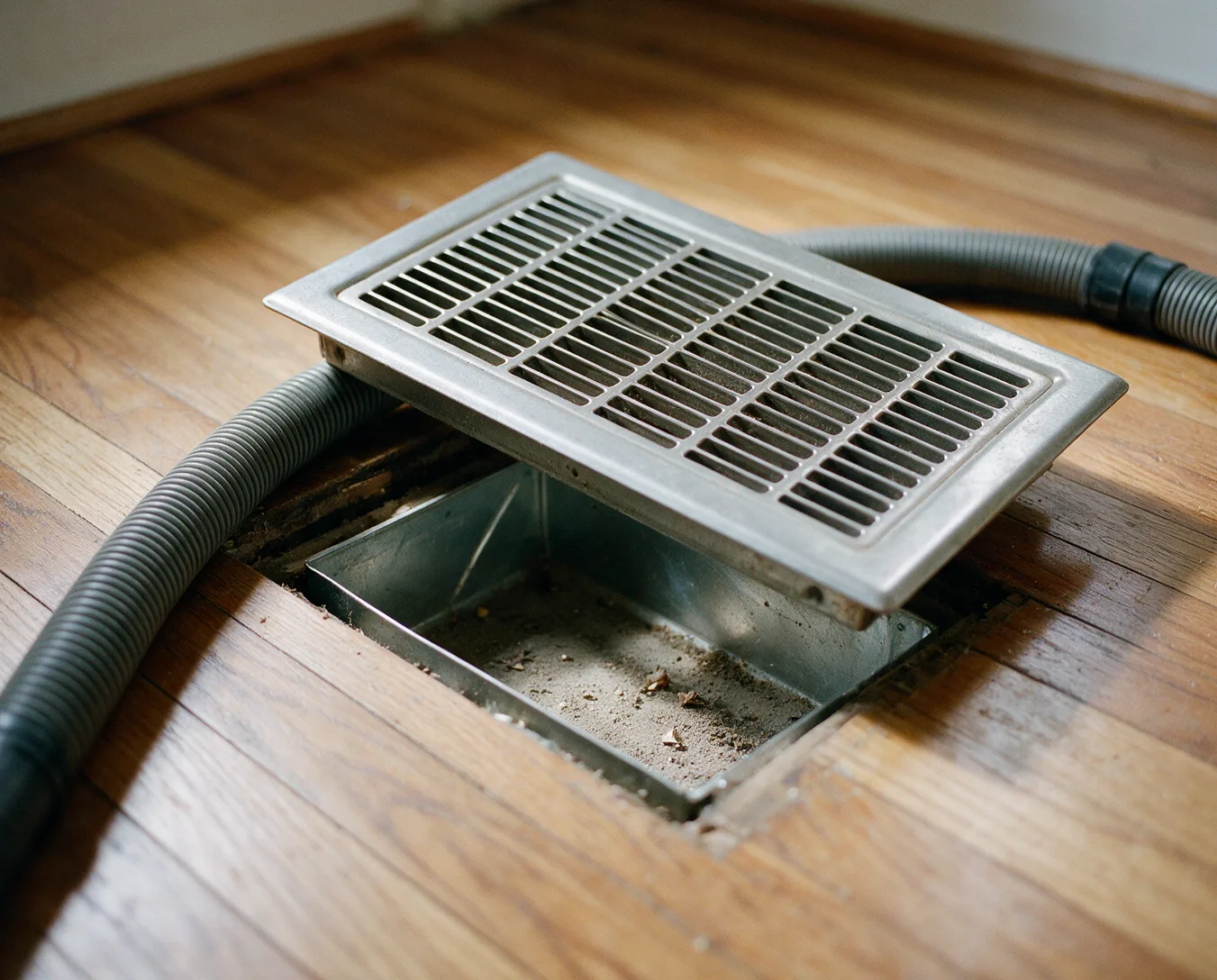
A dusty floor register

Air Duct Cleaning

Loose insulation and construction dust collect on duct walls and restrict airflow. Our technicians attach a negative-air machine to the main trunk, then use rotating brushes on each branch run to dislodge debris without damaging flex connections. They finish by inspecting the return plenum for gaps that could pull unfiltered air from the attic or crawl space.

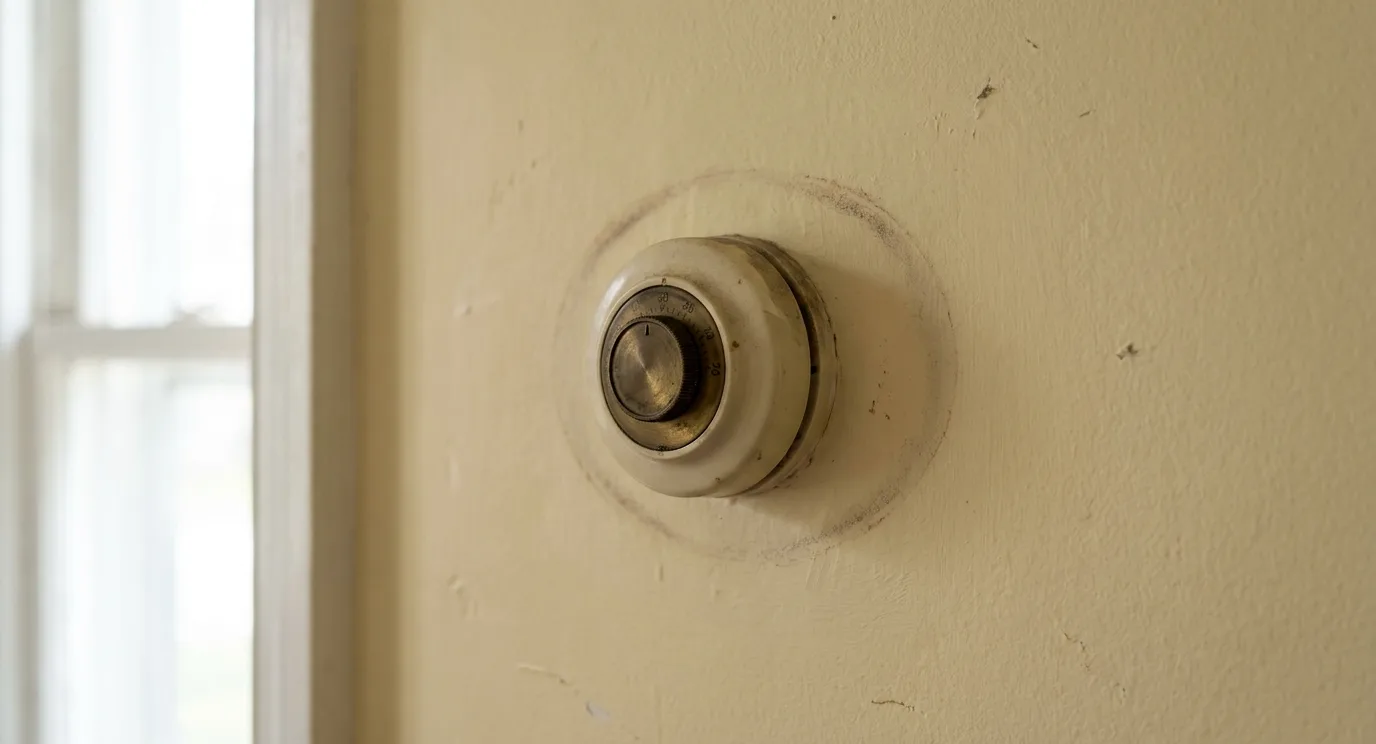
An old dial thermostat

Thermostat Repair

An inaccurate thermostat can cause short cycling or leave rooms uncomfortable. Our technicians test the anticipator setting on older models, check the C-wire voltage on digital units, and confirm the heat anticipator or outdoor sensor is calibrated. Homeowners can first replace the batteries and ensure no wires are loose at the subbase before further diagnosis.

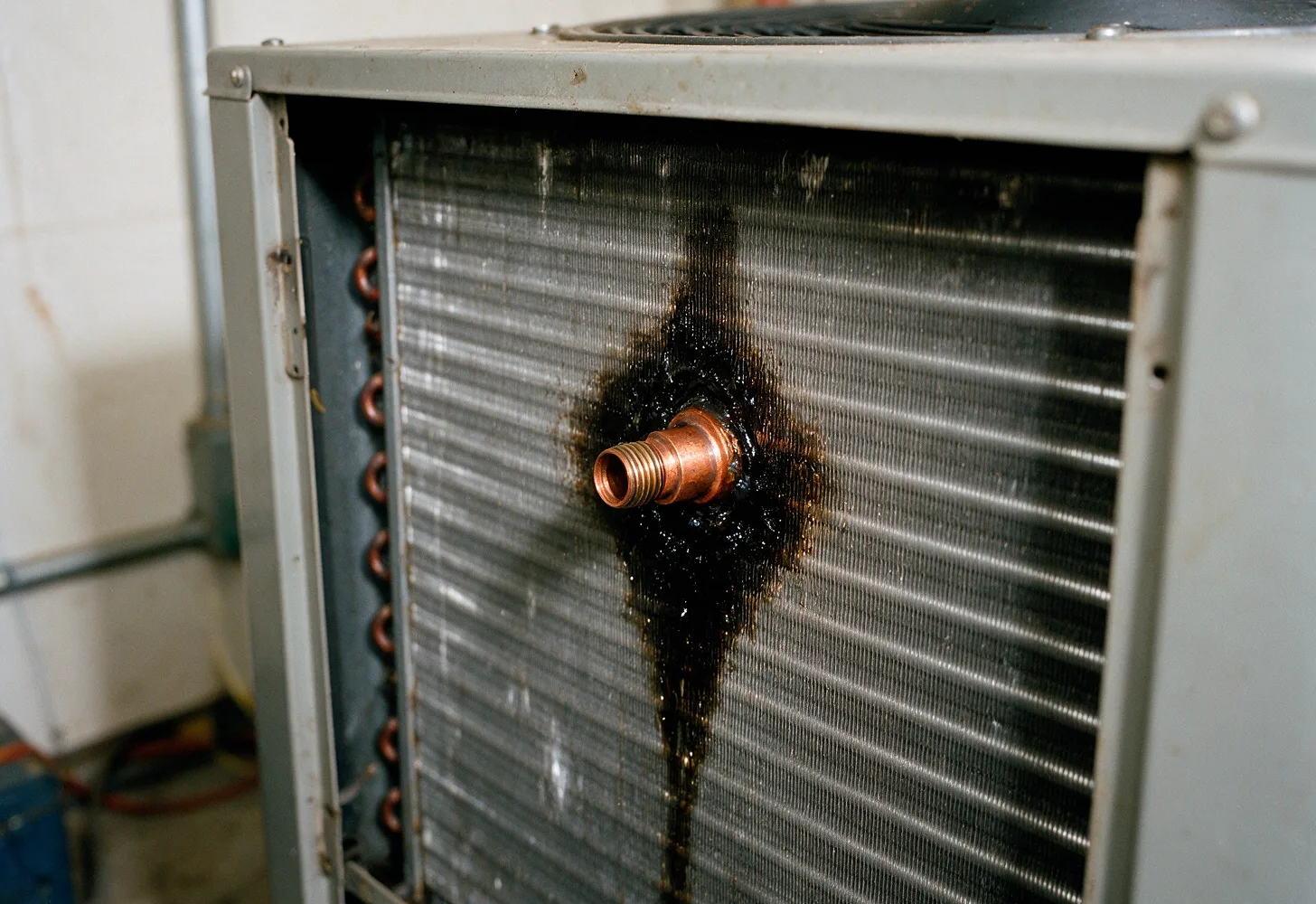
An oily joint on a coil

Refrigerant Leak Repair

Low refrigerant shows up as ice on the suction line or warm air from the registers. Our technicians recover remaining charge, pressurize the system with nitrogen to locate the leak, usually at a flare fitting or coil joint, then repair and re-evacuate before weighing in the exact factory charge. They also check the filter-drier for moisture that could form acid inside the compressor.

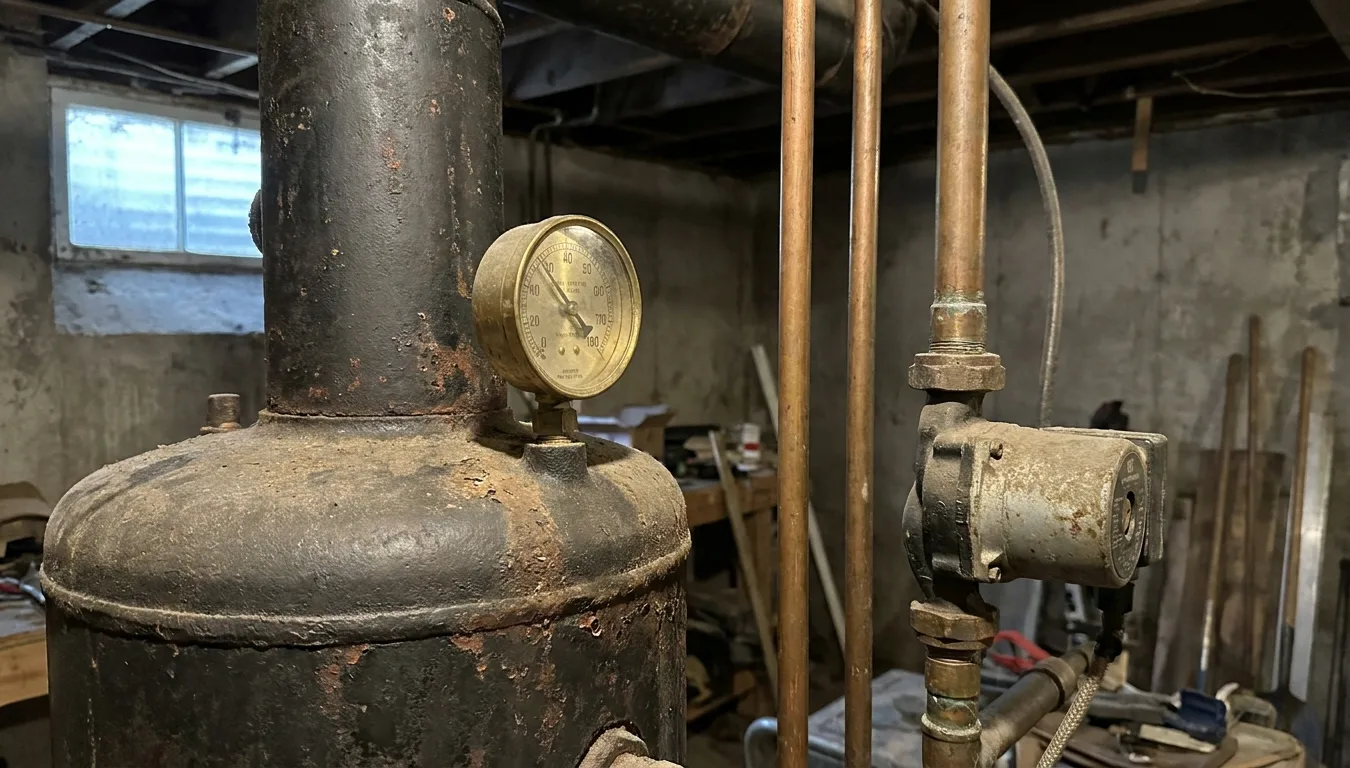
A boiler pressure gauge

Boiler Repair

A boiler that fails to reach temperature often has a stuck zone valve or air trapped in the circulator. Our technicians bleed each radiator or baseboard loop, test the aquastat settings, and verify the expansion tank still holds its air charge. They also inspect the low-water cutoff to make sure it shuts the burner off if water level drops.

An old unit pulled from its pad

HVAC System Replacement

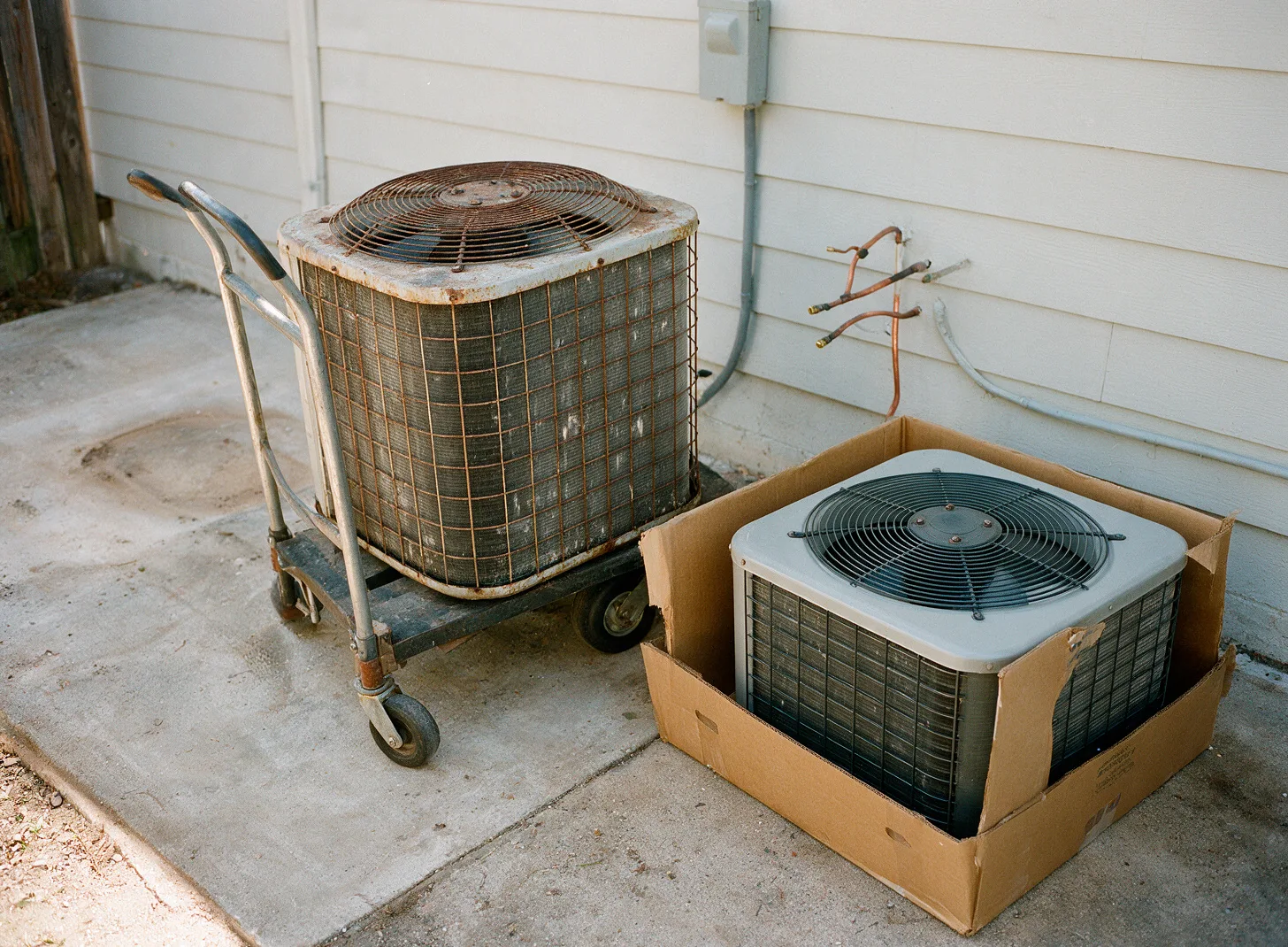
When replacing the entire system, our technicians match the new outdoor condenser to the indoor coil and air handler so SEER ratings and refrigerant type stay compatible. They resize the line set, install a new condensate pump if needed, and program the communicating thermostat to control staging and humidity. They also seal the plenum transitions to prevent bypass air around the coil.

Matching the Right Service to Your Symptoms

Start by noting whether the problem happens only in cooling mode, only in heating mode, or in both. If air blows at the wrong temperature, check the thermostat batteries and filter first. Persistent ice on lines or warm air in summer points toward refrigerant or AC repair, while short cycling in winter often leads to furnace or boiler service.

Listen for unusual sounds such as rattling from the outdoor fan or clicking from the contactor. Measure how long the system runs before shutting off and whether some rooms stay comfortable while others do not. These details help our technicians decide whether the issue is a simple thermostat repair, a duct cleaning, or a full HVAC system replacement.

Talk to Home HVAC Systems

Call (888) 206-2621