
Air Duct Cleaning in the USA
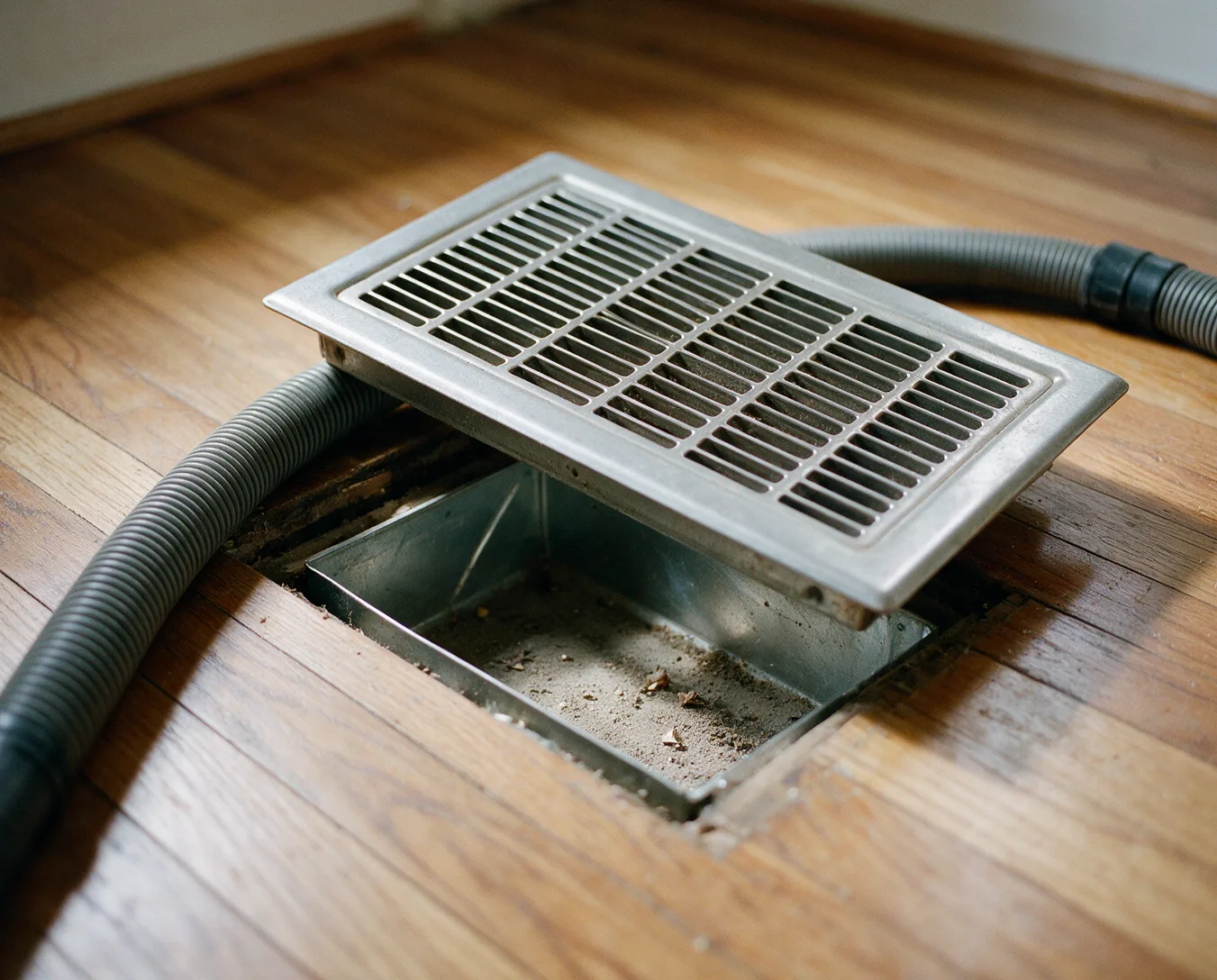
Air ducts form the hidden pathways that deliver warm or cool air from your furnace or air conditioner throughout the house. When dust, pet dander and construction particles collect inside them, the system must work harder to push air to each room. Home HVAC Systems technicians bring vacuum equipment and rotating brushes that reach deep into the trunk lines and branch ducts to clear those deposits without damaging the metal or flex sections.
Homeowners often notice the difference in how evenly rooms stay comfortable once the passages are open again. Cleaning also reduces the chance that fine particles get recirculated every time the blower starts. Our crews check the condition of the return plenum and supply boots first so they know which sections need the most attention before any brushing or vacuuming begins. To maintain home comfort in all USA weather call Home HVAC Systems about your air duct cleaning today.
Signs the Ducts Need Cleaning
- Visible dust puffs from supply vents when the blower starts.
- Musty smell that appears only after the system runs a while.
- Rooms that stay stuffy even though the filter looks clean.
- Higher utility bills with no change in thermostat settings.
- Dark streaks on ceilings near air registers after several months.
What Technicians Measure and Inspect
Our technicians begin by measuring static pressure at the furnace or air handler and again at the farthest supply register. A big difference shows where blockages are forcing the blower to work harder. They also shine lights into the main trunk and look for gaps in the seams that let dust enter from the attic or crawl space. These readings guide which sections receive the longest brushing time.
Next they check the condition of the filter rack and the evaporator coil surface. Heavy buildup on the coil often means the ducts upstream are shedding material into the airstream. Technicians note the type of duct material because sheet metal responds differently to brush pressure than flexible duct does. All findings are explained to the homeowner before any cleaning starts.
Common Causes of Duct Contamination
Everyday living adds fibers from carpets, clothing and pet hair that the return air pulls into the system. When filters are not changed on schedule, those particles pass the blower and settle inside the ducts. Construction or remodeling work nearby creates fine drywall dust that travels through open returns and coats the inner walls of the supply lines.
High humidity can also cause dust to stick together and form thicker layers. In homes with older ductwork, gaps at joints allow insulation fibers or attic dust to enter whenever the blower runs. Home HVAC Systems crews see these patterns often and focus cleaning effort on the sections that show the heaviest accumulation.
How the Cleaning Process Works
Technicians seal off each room register and connect a high-powered vacuum to the main trunk. They then feed a rotary brush or air whip through the branch lines so loosened debris travels straight into the vacuum. Supply and return sides are cleaned separately to prevent cross contamination. The process usually finishes in one visit because the equipment reaches most residential duct lengths from a single access point.
After brushing, technicians wipe the accessible plenums and reinstall the registers. They do not apply any chemical sprays or sealants inside the ducts. The only material used is the mechanical action of the brushes and the suction of the vacuum. Homeowners are shown the collection container so they can see what came out of the system.
What Homeowners Can Do First
Before our crew arrives, shut the system off at the wall control and put in a clean filter if the old one is dirty. This stops the blower from moving extra dust during the cleaning. Walk through the house and note which rooms seem dustiest or have the weakest airflow so technicians can start there. Keep pets in another area during the service to reduce new hair entering the returns.
Clear any furniture or rugs away from floor registers so the crew has easy access. These simple steps let the technicians focus on the ducts instead of moving household items. After the service, run the system for a short time with windows open to clear any remaining airborne particles.
Air Duct Cleaning questions
How often should ducts be cleaned?
Most homes benefit from cleaning every five to seven years unless there has been water damage or heavy remodeling. Homes with pets or smokers may need attention sooner. Home HVAC Systems technicians can measure buildup during a service call and advise based on what they see inside the ducts.
Will cleaning fix uneven room temperatures?
If dust is blocking part of the duct path, removing it often improves airflow to those rooms. However, uneven temperatures can also come from undersized ducts or poor insulation. Our technicians check pressure readings first so they can tell whether cleaning alone will solve the comfort issue.
Is there anything that should not go into the ducts?
Never place cleaning chemicals, sprays, or insulation inside the ductwork. These materials can break down and send particles into the living space. Home HVAC Systems uses only mechanical brushing and vacuum removal so nothing is left behind that could affect indoor air quality.
What happens to the debris that is removed?
All loosened material travels into a sealed vacuum container outside the house. Technicians show the homeowner the collection before disposal. Nothing is blown back into the home or left inside the duct lines.
Schedule Air Duct Cleaning
Contact Home HVAC Systems when dust or odors appear from your vents. We will inspect the ducts and restore proper airflow through your home.