
AC Repair in the USA
Home HVAC Systems sends technicians to homes nationwide when an air conditioner stops producing steady cool air. The compressor may run but the system fails to lower indoor temperatures because of low refrigerant or a failing fan motor. We focus only on AC Repair so each visit targets the exact part that needs attention instead of suggesting a full system swap.
An air conditioner moves heat from inside the house to the outside through copper lines and a condenser coil. When that process breaks down, rooms stay warm even though the thermostat is set low. Our technicians measure pressure and temperature differences at the indoor and outdoor units to find the spot where the cycle stops working correctly. Across the USA homeowners turn to Home HVAC Systems whenever ac repair becomes necessary for steady comfort.
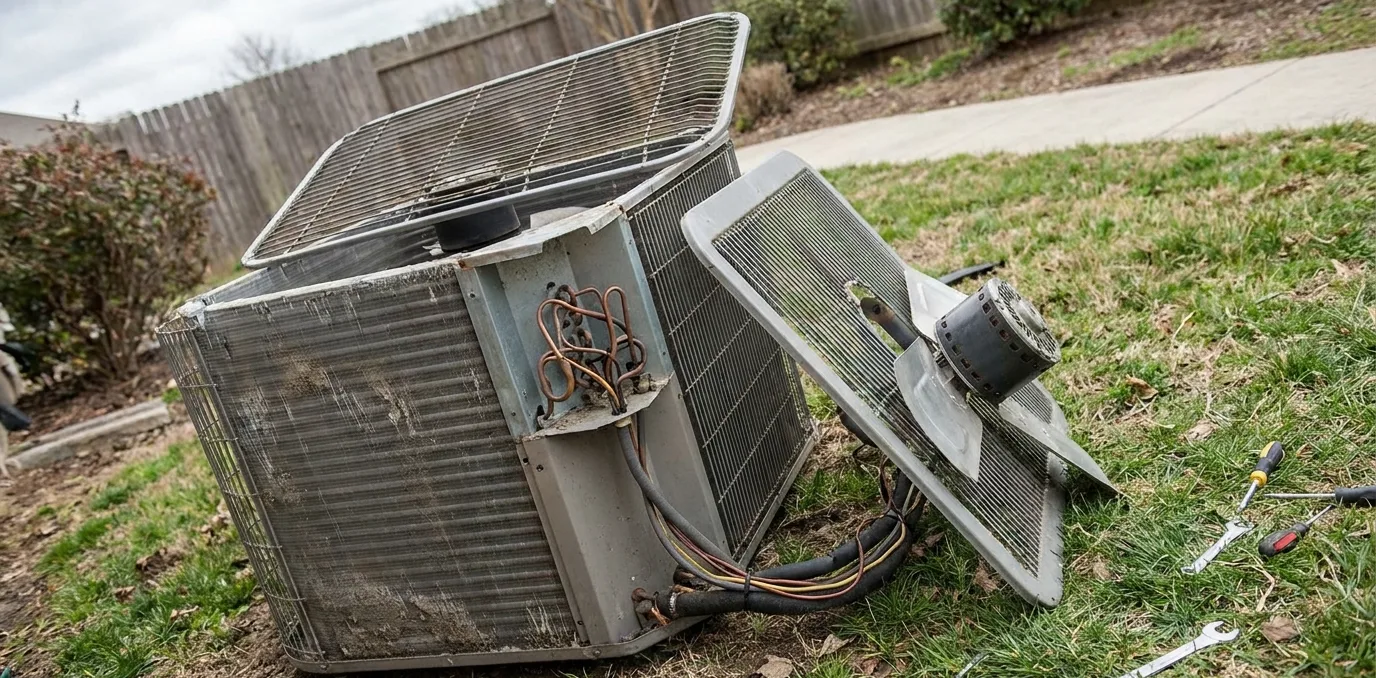
Signs the Air Conditioner Needs Attention
- Air coming from vents feels warm even on low thermostat settings
- Unit runs constantly yet indoor temperature stays above the set point
- Ice forms on the indoor coil or refrigerant lines during operation
- Unusual grinding or clicking sounds start when the compressor turns on
- Higher than normal humidity levels remain inside the house
Common Reasons an AC Stops Cooling
Low refrigerant often results from small leaks at the flare fittings or a worn Schrader valve. When the charge drops the compressor works harder and the evaporator coil cannot absorb enough heat from the air passing over it. Our technicians recover the remaining gas, locate the leak, and recharge the system to factory specifications once the repair holds pressure.
A weak start capacitor prevents the compressor from reaching full speed. The unit may hum briefly then shut off on overload protection. We test microfarad ratings with a meter and replace the capacitor with one that matches the original voltage and capacitance so the motor starts reliably each cycle.
What Technicians Measure During AC Repair
Gauges go on the outdoor service valves so the low side and high side readings can be compared. They compare those numbers against the temperature at the evaporator coil and the outdoor ambient to calculate superheat and subcooling. Proper values confirm whether the system has the correct amount of refrigerant or needs adjustment after a leak is fixed.
They also take electrical readings at the switching relay and measure current draw on the compressor and blower motor. High amperage points to a failing bearing or restricted airflow over the condenser fins. Cleaning the coils with a non-acid foam restores heat transfer and lowers the load on the compressor.
Parts and Materials Used in AC Repair
Replacement capacitors, contactors and fan motors are stocked in the service van so most jobs finish the same visit. When a leak is found in the line set we use nitrogen to pressure test after brazing new sections with silver alloy rod. The system is then evacuated to 500 microns before refrigerant is added.
We carry only OEM-style parts that match the existing equipment model numbers. Using the correct tonnage and SEER rating keeps the repaired unit running at its designed efficiency. Homeowners receive a list of every part installed along with the pressure readings taken before and after the repair.
What Homeowners Can Check First
Before calling for AC Repair, look at the wall control: cooling mode selected, fan left in its automatic position. A filter that has turned gray, or has sat in the slot for more than a month, should be swapped out. A clogged filter reduces airflow across the evaporator coil and can cause the coil to freeze.
Make sure the outdoor disconnect is in the on position and the breaker has not tripped. Clear leaves or grass clippings from around the condenser cabinet so air can move freely through the fins. These steps often restore cooling when the problem is simple airflow restriction rather than a failed component.
AC Repair questions
How long does a typical AC Repair take?
Most AC Repair visits last between one and two hours once the technician reaches the home. Simple capacitor or thermostat replacements finish quickly while leak repairs require additional time for nitrogen testing and evacuation.
Can I add refrigerant myself if the unit is low?
Federal regulations require EPA Section 608 certification to handle refrigerant. Home HVAC Systems technicians recover, repair leaks and recharge systems using proper recovery equipment so the work stays legal and the charge reaches the correct level.
Will repairing the AC make the house cooler right away?
Once the faulty part is replaced or the leak is sealed the system returns to normal operation within minutes. It may take an hour or more for the house temperature to drop depending on how long the unit was off and the size of the space.
What happens if the compressor has failed?
A failed compressor requires replacement of that component or the entire outdoor unit. Home HVAC Systems discusses both options with the homeowner so the decision matches the age and condition of the remaining equipment.
Schedule AC Repair with Home HVAC Systems
Contact Home HVAC Systems for AC Repair when your cooling system stops lowering indoor temperatures across the USA.