
HVAC System Replacement in the USA
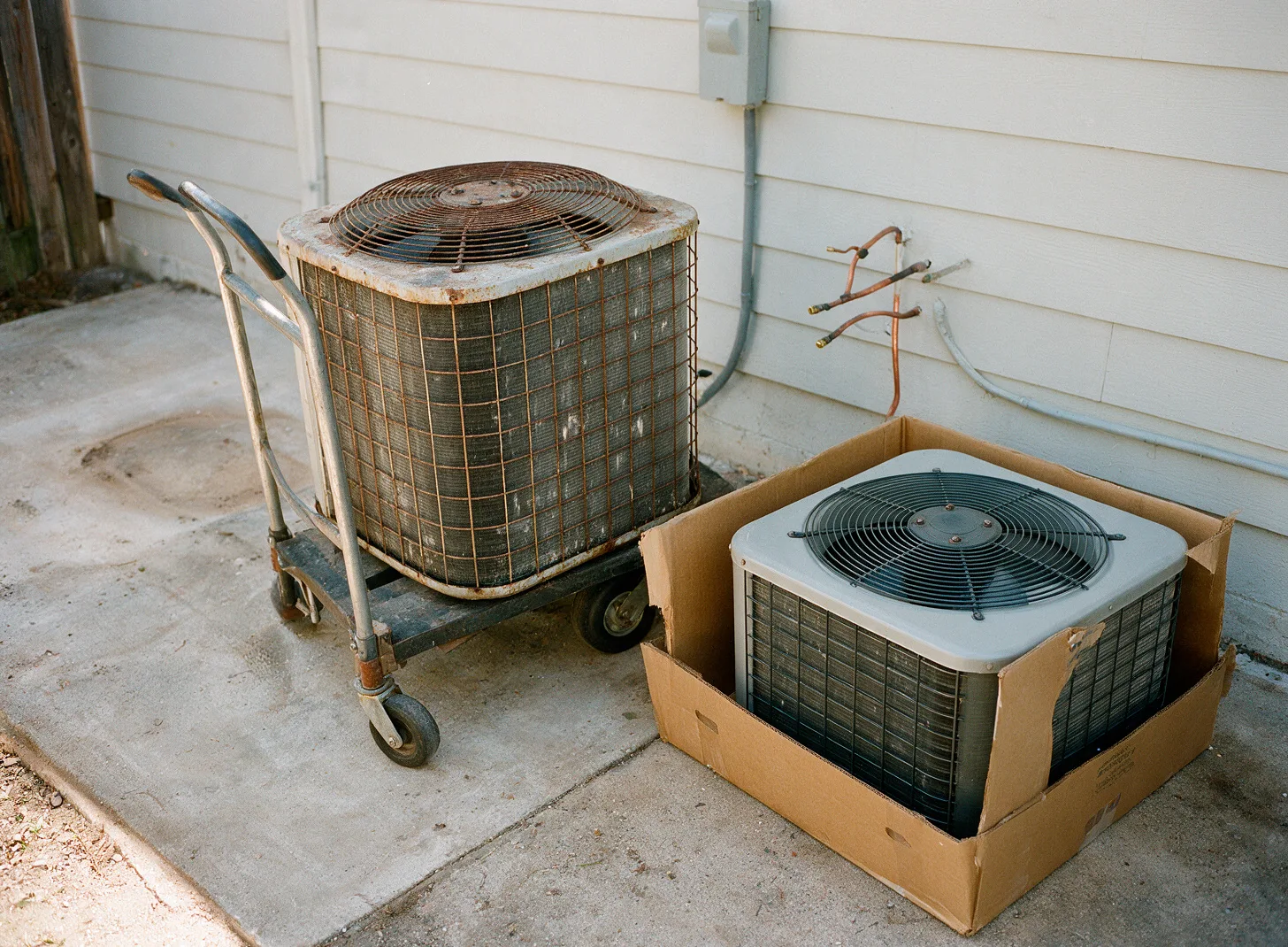
When an HVAC system reaches the end of its useful life our technicians evaluate the entire setup including the outdoor condenser the indoor air handler and connected ductwork. Age combined with rising energy use or repeated part failures often signals that piecemeal fixes will no longer restore reliable heating and cooling for the household.
Home HVAC Systems replaces complete systems with matched components chosen for capacity and seasonal efficiency ratings. We measure static pressure airflow and temperature splits before and after the change so the new equipment delivers even comfort without short cycling or excessive humidity levels indoors. Homeowners contact Home HVAC Systems to resolve hvac system replacement issues and enjoy comfort in USA residences year round.
Warning Signs Replacement May Be Needed
- Rising monthly energy bills despite regular filter changes
- Rooms stay too warm in summer or too cool in winter
- System starts and stops many times each hour
- Visible rust or water stains around the indoor unit
- Technicians have repaired the same component several times
What Our Technicians Measure First
Technicians begin by recording the age of the condenser and furnace or air handler then test refrigerant pressures and superheat values. They also check the condition of the heat exchanger for cracks and test the relay and start components to see whether electrical wear has become widespread.
Airflow is verified with a manometer across the blower and through the return and supply plenums. When static pressure stays high even after the filter is clean the ducts may be undersized for the load so replacement includes evaluating whether new duct modifications are required.
Replacement Choices and Equipment Options
A full HVAC System Replacement lets us install a new outdoor unit paired with a new indoor coil and furnace or air handler that share the same efficiency rating. This matched approach prevents the mismatched performance that occurs when only one section is updated.
We also offer heat pump systems when the home layout supports them. These units reverse the refrigeration cycle for heating so the same equipment handles both seasons and removes the need for a separate gas furnace in milder climates.
Parts and Materials Used During Installation
New systems arrive with factory charged refrigerant lines that technicians cut to length and braze with nitrogen flowing to prevent oxidation inside the tubing. We replace the old condensate drain with a larger diameter PVC line and add a float switch that shuts the system down if water backs up.
Electrical connections receive new disconnect boxes and properly sized breakers. Technicians also install fresh insulation on the suction line and secure the outdoor unit on a composite pad that resists settling and keeps the unit level for proper oil return.
Steps Homeowners Can Take Before the Crew Arrives
Open up a walkway from the doorway to the indoor unit and move any stored items away from the outdoor condenser so technicians can reach both ends of the system safely. Note which rooms feel the least comfortable and write down the age of the current thermostat if it is programmable.
Turn the system off at the thermostat and switch the breaker to the outdoor unit if it is accessible. This stops the compressor from trying to run while the old equipment is being removed and protects the new components during the changeover.
HVAC System Replacement questions
How long does an HVAC System Replacement usually take?
Most full replacements are finished in one day when the existing ductwork and electrical service do not need major changes. Our technicians arrive with the new matched equipment and remove the old condenser air handler and lines before installing and testing the complete new setup.
What size system will my home need?
Technicians perform a room by room load calculation that accounts for insulation windows orientation and local design temperatures. This determines the exact capacity in tons and the proper SEER rating so the new equipment maintains steady temperatures without short cycling or high humidity.
Can I keep my old ductwork when replacing the system?
Existing ducts are inspected for size leaks and insulation condition. If the ducts are correctly sized and sealed they can stay. When measurements show high static pressure or damaged sections we replace or modify the duct runs during the same visit to match the new equipment.
Will the new system use the same thermostat?
Many modern thermostats work with new equipment but we recommend checking compatibility first. If the existing model lacks the correct terminals or features we install a new communicating thermostat that lets the system adjust blower speed and staging for better comfort and efficiency.
Schedule Your HVAC System Replacement
Contact Home HVAC Systems to arrange an inspection of your current equipment and learn about replacement options suited to your home.