AC Repair
Our technicians measure refrigerant pressure check the compressor and clean the evaporator coil. Low airflow or warm air from vents often points to a failing fan motor or clogged drain line that needs attention right away.
HVAC · the USA
Home HVAC Systems sends technicians to homes nationwide for HVAC Repair. We restore heating and cooling equipment so indoor temperatures stay steady through changing weather.
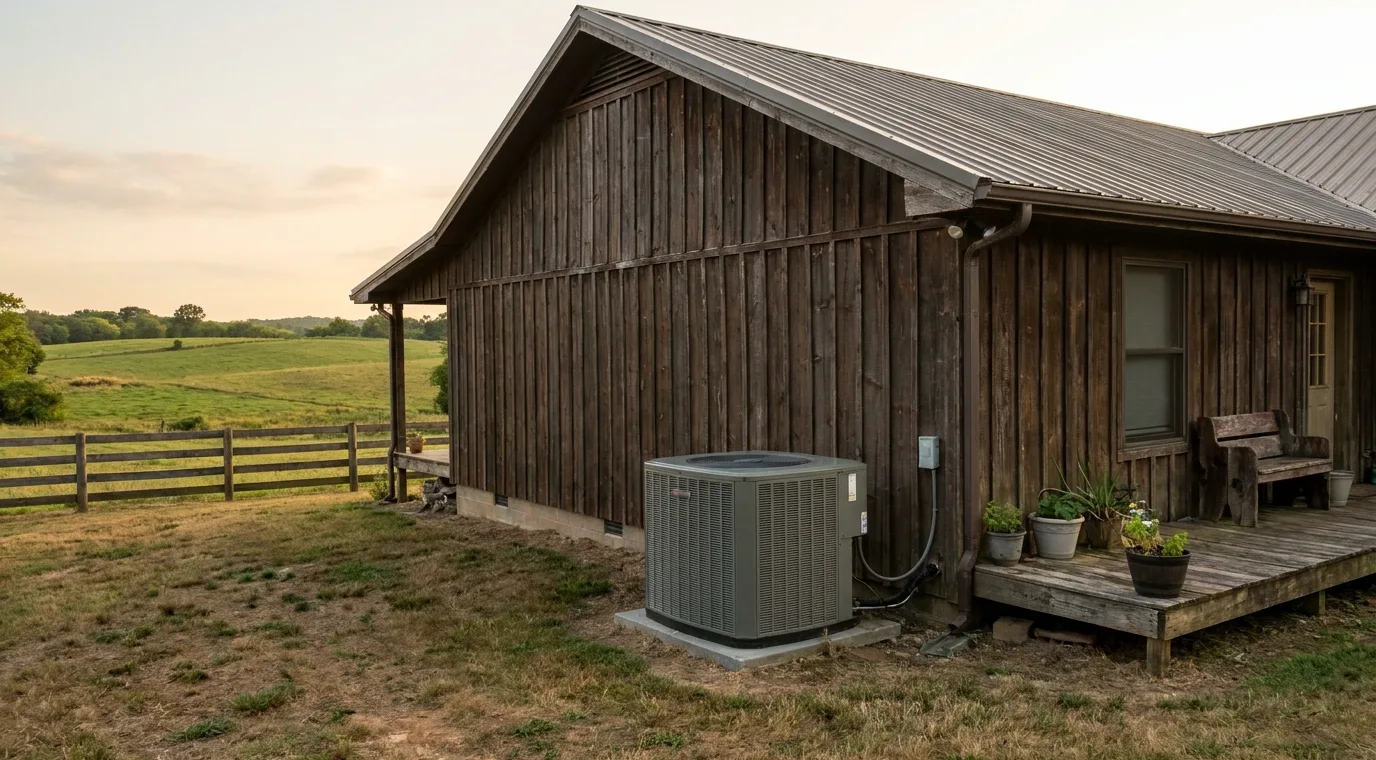
Our technicians test each component in order starting with power supply then airflow and finally refrigerant levels before any repair begins.
When a part fails we show the homeowner the worn capacitor or clogged filter and explain how it affects the rest of the system.
After fixing the main issue technicians run the entire unit through a full cycle to confirm pressure temperature and airflow all return to normal.
Home HVAC Systems handles many common equipment problems. Each service targets a specific part of your heating or cooling setup so the whole house maintains even temperatures without extra strain on the system.
Our technicians measure refrigerant pressure check the compressor and clean the evaporator coil. Low airflow or warm air from vents often points to a failing fan motor or clogged drain line that needs attention right away.
We inspect the heat exchanger igniter and blower motor. Unusual noises or short cycling usually come from a dirty flame sensor or weak capacitor that stops the unit from completing a full heating cycle.
Technicians size the new unit to the home ductwork then connect the outdoor and indoor sections with proper refrigerant lines and thermostat wiring for balanced heating and cooling operation.
We remove dust buildup from supply and return lines so air moves freely. Blocked ducts force the blower to work harder and can create uneven temperatures between rooms.
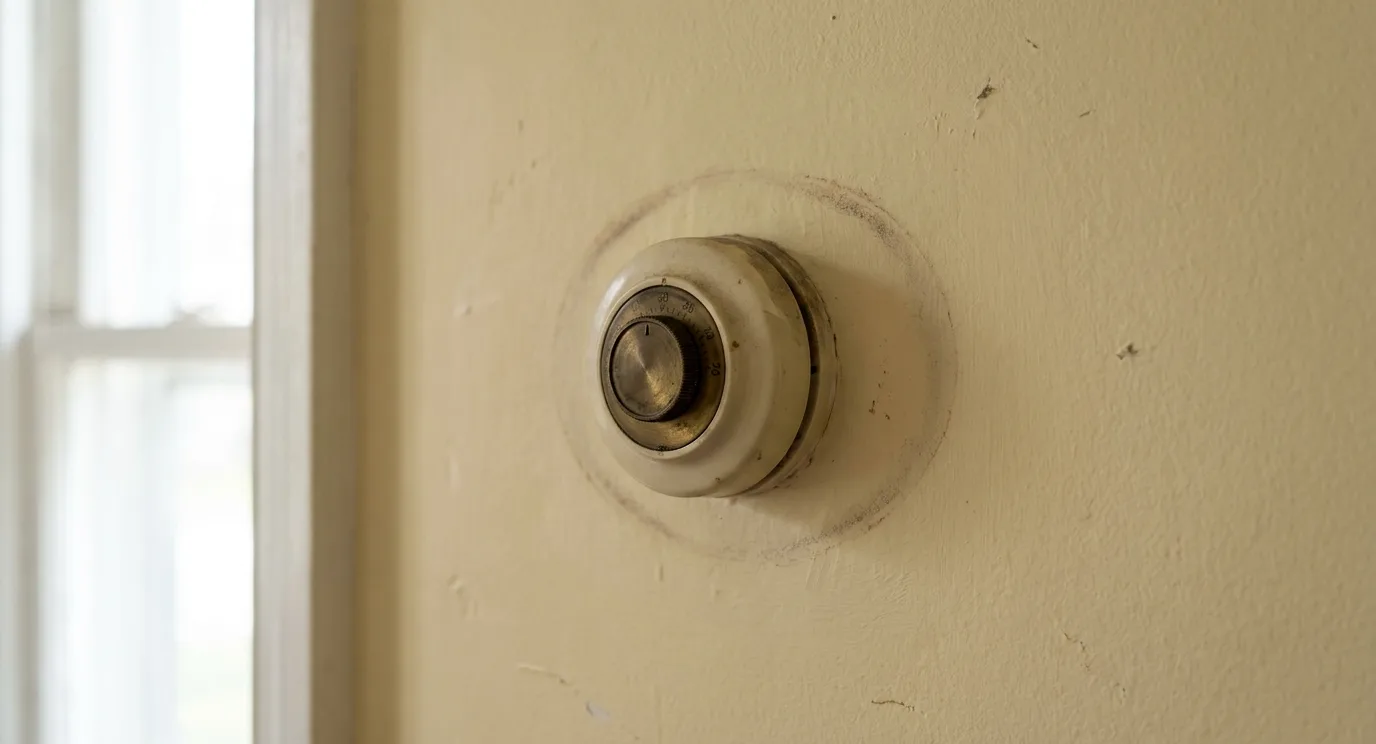
Technicians test wiring voltage and calibration. A thermostat that reads the wrong temperature keeps the system running too long or shuts it off before the house reaches the set point.
We locate the leak at coils or line sets recover remaining refrigerant and recharge the system to the correct level so cooling capacity returns without compressor damage.
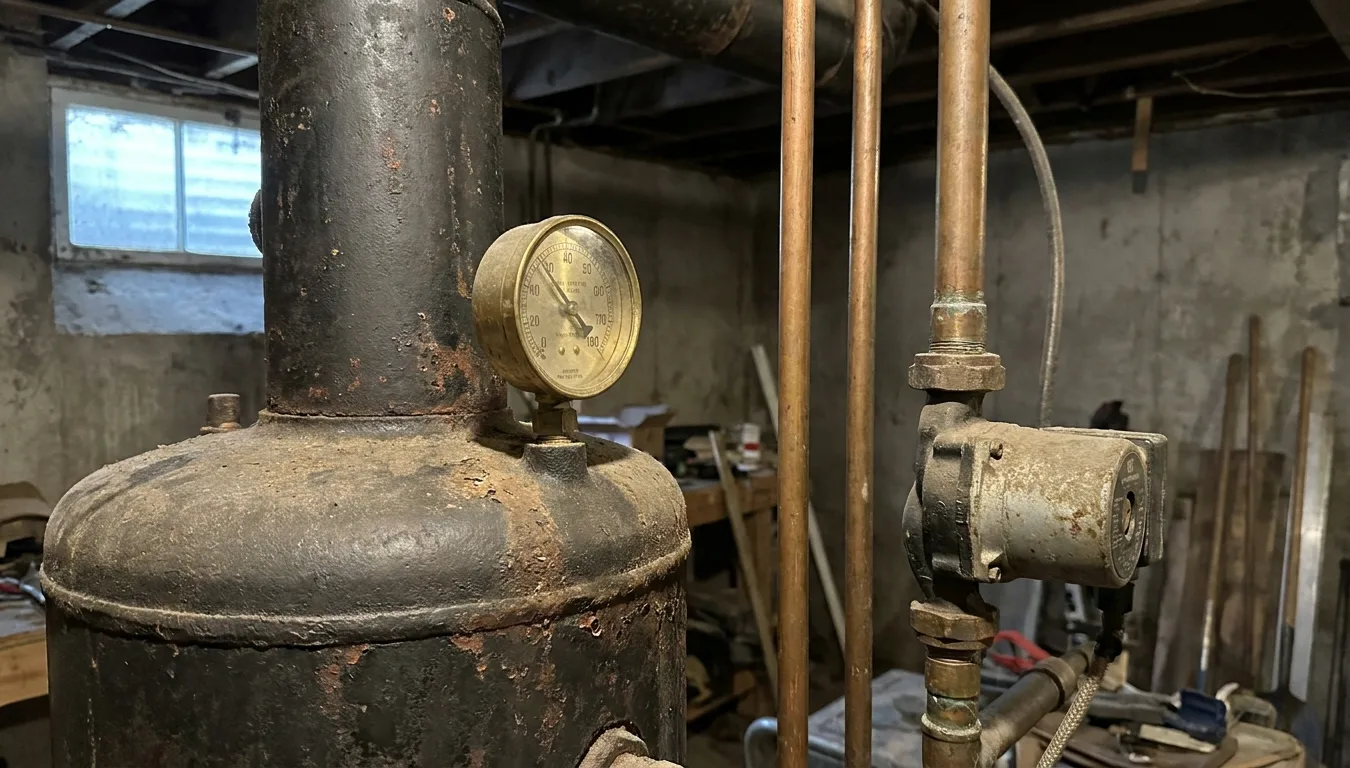
Our crew checks the circulator pump pressure relief valve and expansion tank. Low pressure or uneven heat often results from air trapped in the lines or a failing zone valve.
Technicians remove the old equipment measure existing duct connections and install a new matched system sized for the home load so efficiency and comfort improve together.
Strange sounds from the unit such as grinding or rattling usually mean a motor bearing or fan blade is wearing out. Warm air from the vents in cooling mode or cold air during heating often traces back to low refrigerant or a stuck reversing valve. Homeowners may also notice higher energy bills when the system runs longer to reach the set temperature.
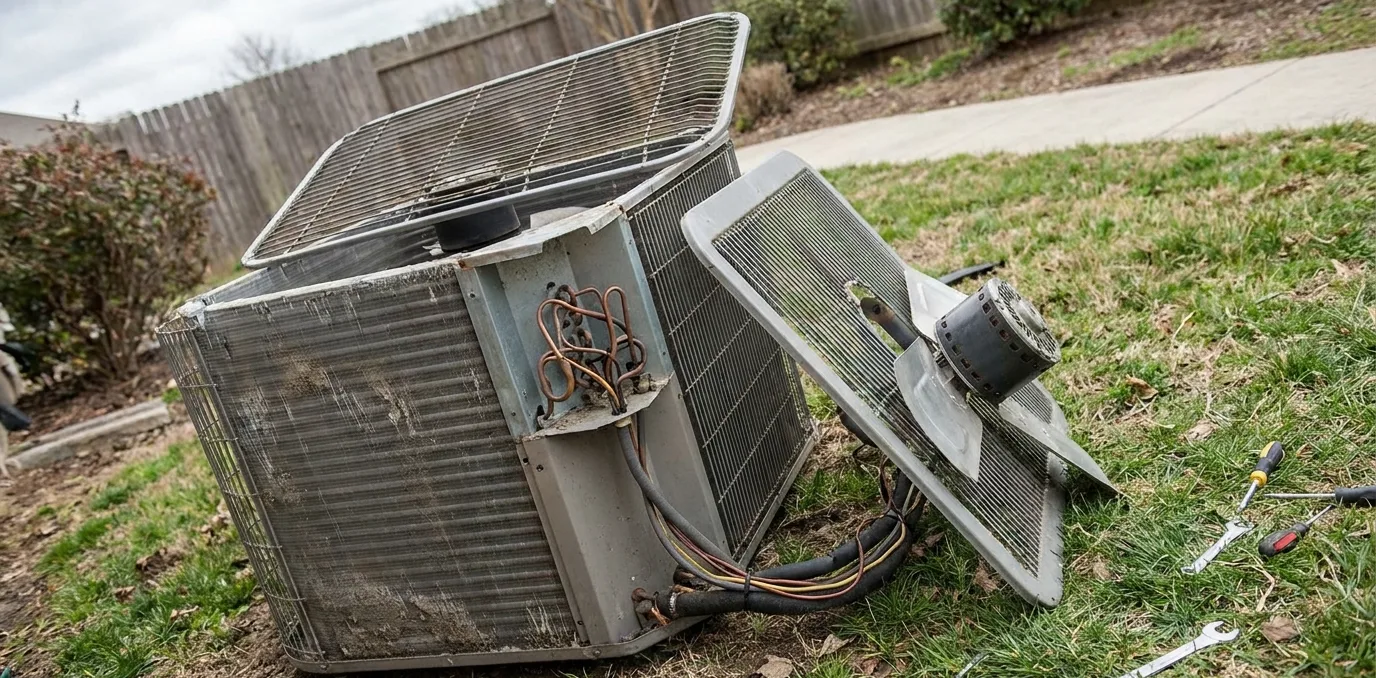
Switch the wall control off so the equipment stops running and avoids further damage. Check the air filter and replace it if it looks gray or clogged because restricted airflow can trip safety switches. Write down any error codes shown on the furnace or outdoor unit before calling for help.
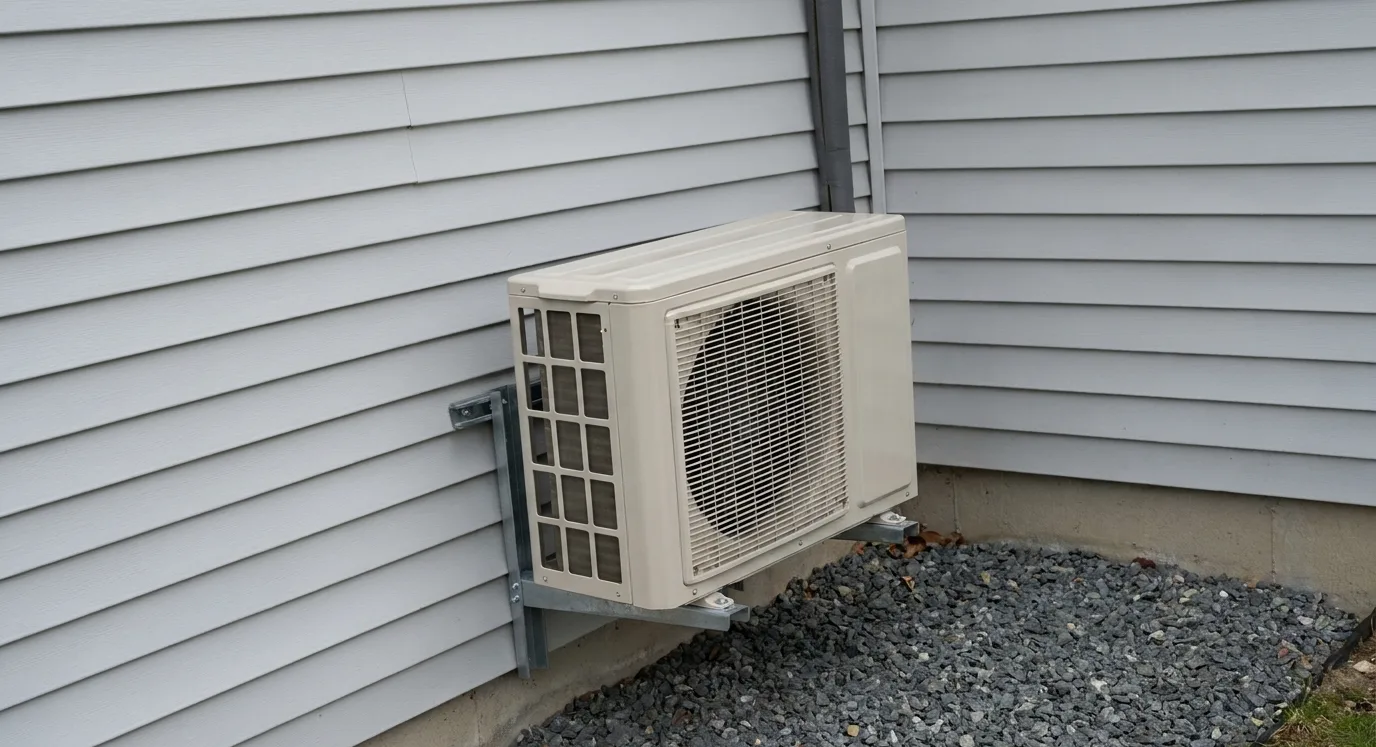
Home HVAC Systems follows a clear sequence so every visit ends with a working system and a homeowner who understands what was fixed.
The technician arrives and asks about recent symptoms then listens to the unit while it runs to hear unusual noises or cycling patterns.
Measurements are taken at the thermostat the air handler and the outdoor unit to find pressure temperature and electrical values that fall outside normal ranges.
Findings are shown to the homeowner and the chosen repair is completed with new parts installed and old ones removed from the site.
The entire system runs through a complete cycle while the technician confirms all readings have returned to normal before finishing the visit.
Our technicians start at the thermostat then move to the indoor unit and finish at the outdoor condenser. They measure voltage amperage and temperature differences across the coils. Once the root cause is found they explain the repair options and perform the fix while the homeowner watches.
Technicians compare the age of the equipment the cost of the needed parts and the remaining expected life of the system. If multiple major components show wear at the same time replacement often makes more sense than repeated repairs. They also check whether the current unit matches the size of the home ductwork.
The final price depends on the type of part needed the accessibility of the component and the time required to reach it safely. Older systems may need additional steps to match new parts with existing wiring or duct connections. Travel distance across different parts of the country also plays a role because some areas require more time to reach remote homes.
Older homes may have ductwork that has settled or insulation that has thinned so the system works harder to maintain temperature. Rental properties sometimes have units that were installed without proper maintenance records. Technicians adjust their approach to work with existing wiring and access points without major changes to the structure.
Check the filter every month during heavy use seasons. A clean filter keeps airflow steady and prevents the blower motor from overheating or shutting down on safety limits.
Low refrigerant a dirty evaporator coil or a failing compressor can all stop the system from removing heat. A technician measures pressures to identify which issue is present.
Pressing the reset button once is safe but repeated resets point to a deeper problem such as a clogged condensate drain or weak flame sensor that needs professional attention.
Most leaks are silent but you may hear hissing near the coils or notice ice forming on the lines. The system also loses cooling capacity over several days.
If the system runs constantly or never turns on while the display shows the wrong room temperature the thermostat may be miscalibrated or have loose wiring.
Heat pumps run longer cycles than furnaces because they move heat rather than create it. Short cycling or failure to reach temperature still requires a diagnostic visit.
Contact Home HVAC Systems to arrange a visit for HVAC Repair and return your home to steady comfortable temperatures.