
Heat Pump Installation in the USA
A heat pump moves heat instead of generating it so the outdoor compressor and indoor coil work together through a reversing valve. When the thermostat calls for heat the valve shifts direction and the same equipment keeps the house cool once summer arrives. Home HVAC Systems installs units that match the existing duct layout and electrical service to avoid short cycling or uneven room temperatures.
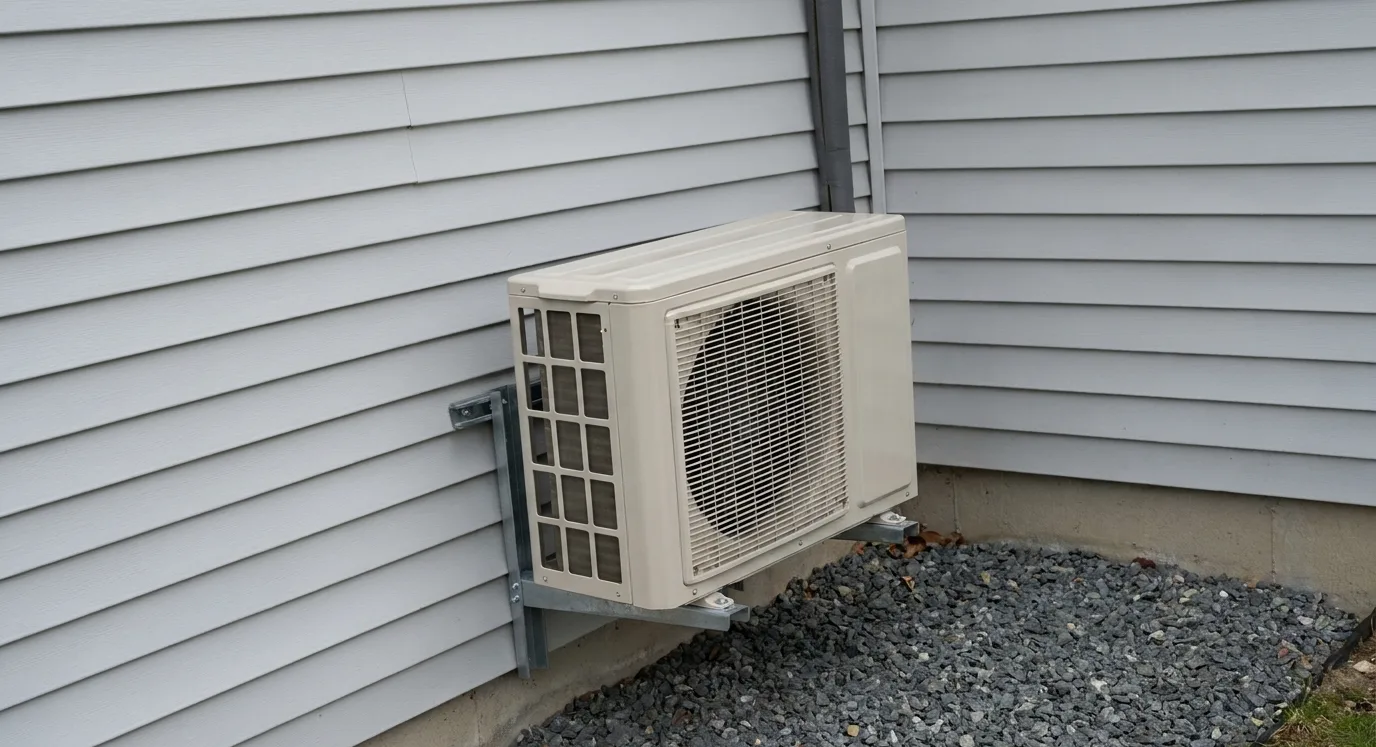
Technicians measure static pressure in the ducts and calculate the heat load of the home before selecting the proper tonnage. They check the condition of the line set for leaks and confirm the condensate drain slopes correctly. Proper placement of the outdoor pad keeps the unit level and away from snow accumulation so airflow stays consistent through the fins. Home HVAC Systems brings reliable heat pump installation solutions to households across the USA during every season change.
Signs your current system may need replacement
- Rooms feel cool in winter and warm in summer despite running the system
- Energy bills rise steadily without changes in thermostat settings
- The outdoor unit makes grinding or rattling sounds during startup
- Airflow from vents feels weak or uneven from one room to the next
- The reversing valve clicks repeatedly but temperature does not change
What technicians measure on the first visit
Our technicians record supply and return temperatures at the air handler to see how much the coil is changing the air. They also read amperage on the compressor and fan motors to spot any electrical strain before the new equipment goes in.
They inspect the size and insulation of the existing refrigerant lines because an undersized line set reduces capacity. The team checks the electrical disconnect rating to ensure it matches the new unit requirements without overloading the panel.
Parts and materials used during installation
Home HVAC Systems uses a new outdoor unit with a variable speed compressor matched to an indoor coil that fits the furnace or air handler cabinet. Fresh copper tubing with proper insulation prevents energy loss along the line set run.
Technicians install a new condensate pump when gravity drainage is not possible and replace the thermostat wire if the old run shows corrosion. A correctly sized circuit breaker and disconnect box protect the new equipment from power surges.
Steps the crew follows on installation day
The team removes the old outdoor unit and recovers any remaining refrigerant according to EPA guidelines. They set the new pad level and secure the unit with vibration pads before connecting the line set and pulling a deep vacuum to remove moisture.
Inside the home they mount the new coil and connect the drain line with a trap to block odors. After wiring the low voltage controls they charge the system to the exact superheat or subcooling target printed on the unit label for peak efficiency.
What a homeowner can check before the crew arrives
Clear a three-foot path around the outdoor unit so technicians can move equipment safely. Note any rooms that stay uncomfortable and write down recent electric bill amounts to help the team understand the current performance issues.
Replace the air filter a day ahead so airflow readings during the visit reflect clean conditions. Make sure the electrical panel door opens easily if the crew needs to verify breaker space for the new heat pump circuit.
Heat Pump Installation questions
How long does a typical heat pump installation take?
Most jobs finish in one day when the line set and ductwork do not need major changes. The crew removes the old equipment in the morning, sets the new units, pulls a vacuum, and charges the system before evening.
Can an existing furnace stay in place with a new heat pump?
Yes when the furnace serves as backup heat. Technicians install a coil above or below the furnace and wire the controls so the heat pump runs first and the furnace engages only on the coldest days.
What size heat pump works for most homes?
Technicians perform a room-by-room load calculation rather than using rule-of-thumb sizing. The correct tonnage prevents short cycling in mild weather and keeps humidity levels comfortable during the cooling season.
Do new heat pumps require special maintenance after installation?
Homeowners change the filter every month and keep leaves away from the outdoor coils. Our technicians return each year to check refrigerant charge, clean the condensate drain, and test the reversing valve operation.
Schedule Heat Pump Installation
Contact Home HVAC Systems to arrange a site visit and learn which heat pump matches your home.