
About Home HVAC Systems
When you reach Home HVAC Systems about HVAC Repair or other needs, our team listens to the symptoms you notice first. We ask about unusual noises, temperature swings, or higher bills so we can prepare the right tools. Our technicians arrive ready to inspect the full system and share what each part does in simple terms before any work begins.
Questions about a job? Start on the Home HVAC Systems homepage or call (888) 206-2621.
Clear Everyday Talk
We describe pressures, coils, and motors using words you hear at home so every choice feels understandable.
Full System Checks
Technicians test voltage, airflow, and temperatures from outdoor unit to farthest register before deciding on next steps.
Tidy Work Habits
Shavings and dust are removed and panels go back in place so the space stays clean after we finish.
Homeowner First Steps
Simple checks like filter condition or thermostat batteries often solve minor issues before any tools come out.
Taking the First Call
A call to Home HVAC Systems starts with questions about your current comfort level and any changes you have seen in the equipment. We note details like how long the air feels uneven or if the unit cycles on and off too often. This helps our technicians decide which gauges and parts to bring so they can test pressures and electrical connections without extra trips.
Homeowners can safely check the thermostat batteries and confirm the filter is not clogged before we arrive. These steps often clear simple airflow problems and let our crew focus on deeper issues such as worn capacitors or low refrigerant levels. We write down every observation so nothing gets missed during the visit.
Arriving and Inspecting
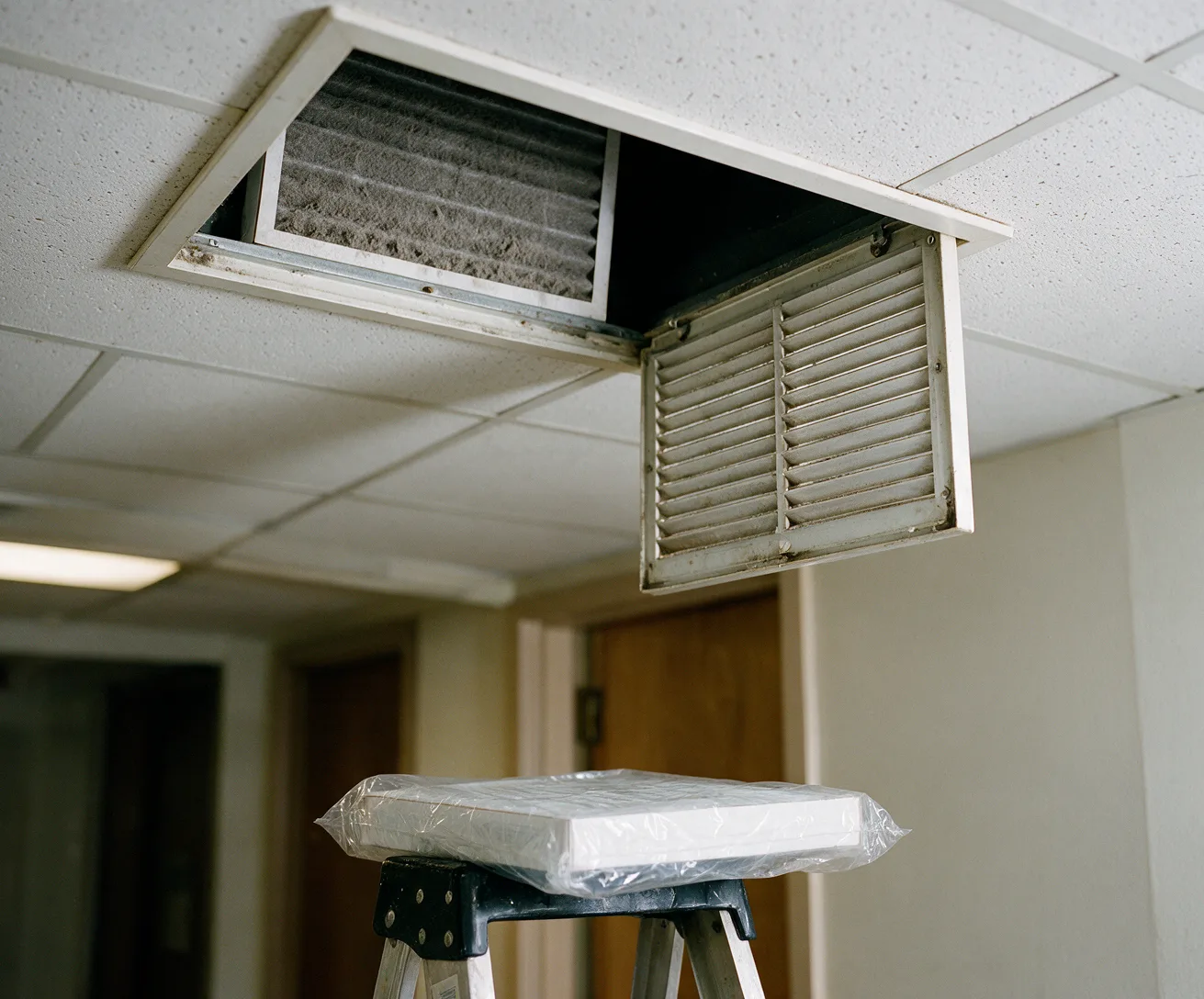
Once at the home our technicians begin at the outdoor unit, checking fan blades for debris and taking an electrical reading where power enters the unit. They move inside to examine the indoor coil and blower motor for dust buildup that restricts airflow. Each test shows whether a part is drawing too much current or failing to maintain proper temperature split across the coil.
We look for signs of refrigerant leaks around joints and measure static pressure in the ductwork. These readings tell us if the system is working harder than it should. Homeowners can point out rooms that stay too warm or cold so we can check dampers and register placement while the equipment runs.
Sharing What We Find
After the tests Home HVAC Systems walks through the readings in everyday language. We explain how a weak capacitor prevents the compressor from starting or how a dirty evaporator coil lowers cooling capacity. Pictures of the parts help show wear before we discuss options for repair or replacement.
We list the exact steps needed and the order we will complete them. This lets you decide what work happens that day. Every finding connects to how the system keeps air moving and at the right temperature so you understand why each check matters for summer cooling or winter heating.
Finishing the Visit
When the job ends our technicians return all panels and secure access doors so the equipment runs safely. They vacuum any metal shavings or insulation scraps from the floor and wipe fingerprints from the thermostat. The area looks as neat as when they arrived.
Before leaving we show the final operating pressures and temperatures so you can see the improvement. We note what regular filter changes will prevent and how to watch for early signs of trouble. This keeps your household comfortable without surprises during the next season change.